
- This event has passed.
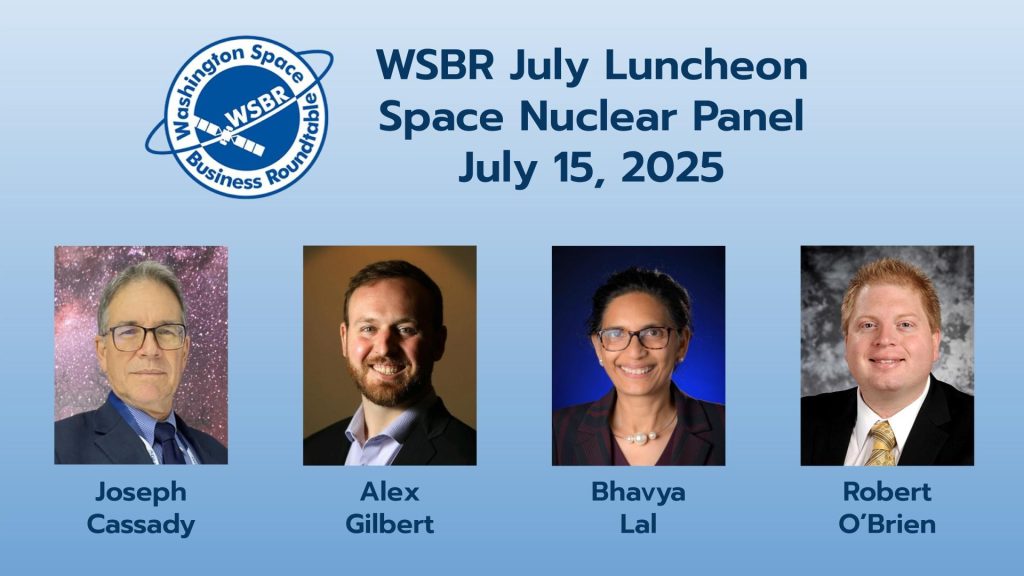
WSBR July Luncheon: Space Nuclear Panel
July 15, 2025 @ 11:30 am – 1:30 pm
Event Summary
The first nation to operate a nuclear reactor on the Moon to survive the lunar night will unlock a new era of development and settlement, while setting new standards and norms of behavior for humanity. How can the United States position itself to be that nation rather than follow China’s lead?
That question and others were addressed by Dr. Bhavya Lal at this WSBR luncheon. She delivered the first public briefing on a new study she led for DOE’s Idaho National Laboratory. Dr. Lal recommended taking a strategic, stepping stone approach to space nuclear development, starting with the demonstration of a small power reactor on the lunar surface.
Dr. Lal then joined a panel with space nuclear experts Joseph Cassady of L3Harris Technologies, Alex Gilbert of Zeno Power and Dr. Robert O. of USRA. The discussion covered a number of issues that must be addressed to ensure forward progress, including White House direction, a lead agency/agencies, mission pull, funding, regulatory compliance, and liability.
WSBR extends a hearty thanks to our luncheon sponsor, USRA, and our host, Hogan Lovells, for making this event possible.
Despite decades of investment, U.S. space nuclear progress is limited. Dr. Bhavya Lal and other space nuclear experts will discuss the full space fission landscape—surface and in-space, civil and defense, government needs and emerging commercial markets—and the urgent decisions ahead.
Washington Space Business Roundtable (WSBR) invites you to join us on Tuesday, July 15, 2025, for a discussion on U.S. space nuclear strategy with Dr. Bhavya Lal, consultant and former NASA Associate Administrator for Technology, Policy, and Strategy, Joe Cassady, Director of Civil Space at L3Harris, and Alex Gilbert, Vice President of Regulation at Zeno Power. Dr. Lal will present the findings from her recently completed INL-funded report, Weighing the Future: Strategic Options for U.S. Space Nuclear Leadership. This will be followed by a panel discussion with our three experts on U.S. space nuclear strategy.
We hope you will join us for this in-depth discussion on timely issues in satellite licensing, along with the good food, networking, and audience participation Q&A you’ve come to know and love at WSBR.
Panelists
Dr. Bhavya Lal, Professor and Former NASA Associate Administrator for Technology, Strategy, and Policy
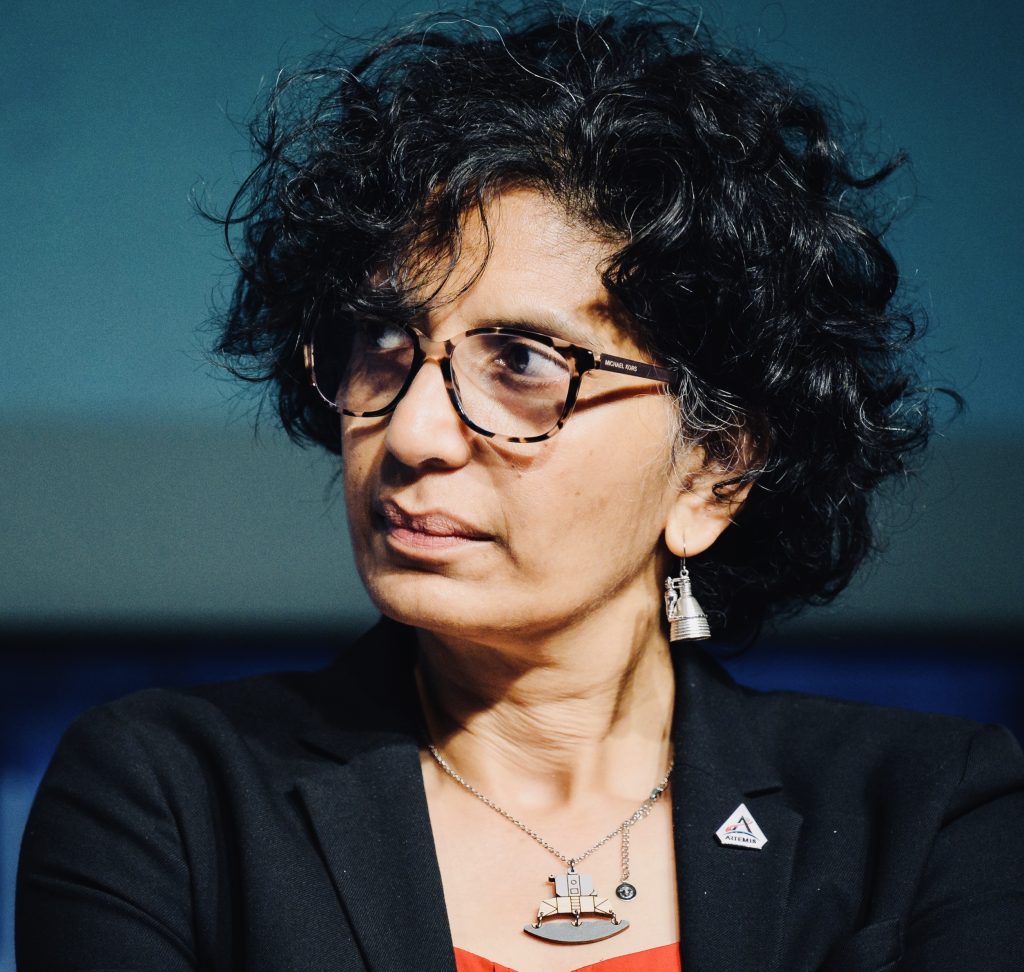
Dr. Bhavya Lal is currently a Professor at RAND School of Public Policy. She most recently served as NASA’s Associate Administrator for Technology, Policy, and Strategy, advising the NASA Administrator and senior leadership on a broad spectrum of domestic and international policy issues, strategic planning, and technology investments. During her tenure at NASA, she also broke new ground as the first woman to act as NASA’s Chief Technologist. In the early days of the Biden Administration, she was the highest-ranking Administration appointee at NASA, serving as the acting Chief of Staff. In all these roles, Dr. Lal was instrumental in advancing the NASA Moon-to-Mars program, and spearheading initiatives in planetary defense, space sustainability, space ethics, and space nuclear systems. She also played a pivotal role in formulating critical policies on international competition and commercial space ventures.
Before joining NASA, Dr. Lal directed influential analyses at the Institute for Defense Analyses’ (IDA) Science and Technology Policy Institute (STPI), leading high-impact studies on space commercialization, government investment strategies, and economic policy frameworks for emerging space sectors. Her research has directly influenced U.S. space industrial policy, orbital debris mitigation strategies, and market-driven approaches to national security space programs.
Dr. Lal has frequently testified before Congress and the National Space Council on economic and policy issues related to space commerce. She has authored peer-reviewed papers and reports on topics including space nuclear power investment models, asteroid resource economics, and private-sector participation in space infrastructure development. She continues to shape the future of space economics through formal advisory roles at NASA, the National Academies, and international space policy organizations. She currently chairs the International Astronautical Federation’s Space Economy Committee.
Dr. Lal’s extensive research and leadership have earned her numerous accolades including the NASA Distinguished Service Medal, Associate Fellowship at the American Institute of Aeronautics and Astronautics (AIAA), the AIAA Public Service Award for “lasting and sustained leadership in national space policy and setting the course for NASA’s future missions to the moon, Mars, and beyond,” and induction into the International Academy of Astronautics (IAA) and YWCA’s Academy of Women Achievers.
Her academic credentials include bachelor’s and master’s degrees in nuclear engineering from the Massachusetts Institute of Technology (MIT), a second master’s from MIT’s Technology and Policy Program, and a Ph.D. in Public Policy and Public Administration from George Washington University. She is a member of the honor societies for both nuclear engineering and public policy and public administration.
Joe Cassady, Director of Civil Space Programs, L3Harris
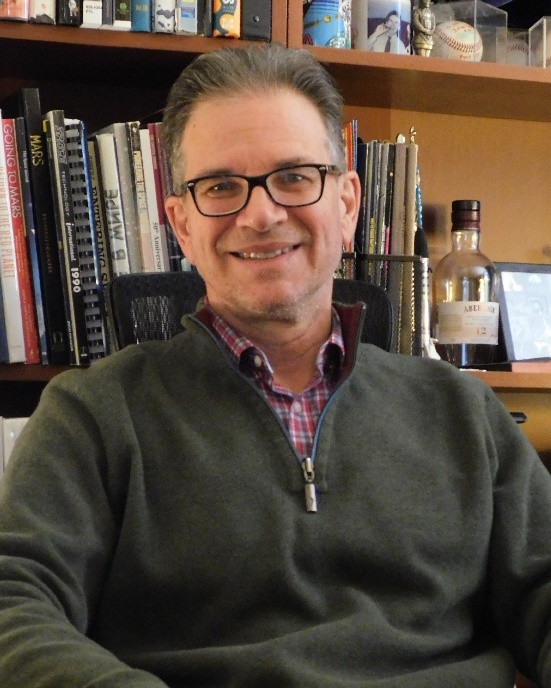
Mr. Cassady is the Director of Civil Space Programs in the Washington DC Operations for L3Harris where he helps oversee strategy development and architectures for future space and launch systems. He obtained his BS (1981) and MS (1983) in Aeronautics and Astronautics from Purdue University as well as a Graduate Certificate in Systems Engineering at the George Washington University in 2005. His current interest areas include architectures for human missions to Mars, Space Mobility and Logistics (SML) and space debris remediation. Mr. Cassady holds five U.S. Patents for Electric Propulsion (EP) technology. He has four decades of experience in propulsion development, flight operations, mission architecture and systems analysis. He has authored more than 75 technical papers dealing with EP, power systems, attitude control systems and mission analysis and recently co-authored a textbook, Rocket Propulsion, with Professors Heister, Anderson, and Pourpoint of Purdue University. Prior to joining the Washington office, Mr. Cassady held roles in Development Engineering, Project Management, and Business Development and led flight project teams for the 26 kWe ESEX arcjet system (which still holds the record as the highest power EP system flown) and the EO-1 Pulsed Plasma Thruster system. In addition, he has served on a number of advisory groups for NASA and the DoD. Currently he is a member of the National Academies Space Technology Industry Government and University Roundtable (STIGUR), which advises and reviews the NASA technology portfolio. He is an Associate Fellow of the AIAA, is vice-president of the Electric Rocket Propulsion Society and serves as Executive Vice President and member of the Board of Directors for ExploreMars, a 501c(3) non-profit dedicated to promoting STEM and human Mars exploration. In 2021, he was named as an Outstanding Aerospace Engineer by the School of Aeronautics and Astronautics at Purdue and he was elected as a Member of the International Academy of Astronautics in 2024. It is his lifelong goal to see humans join their robotic precursors on the surface of the Red Planet.
Alex Gilbert, Vice President of Regulation at Zeno Power
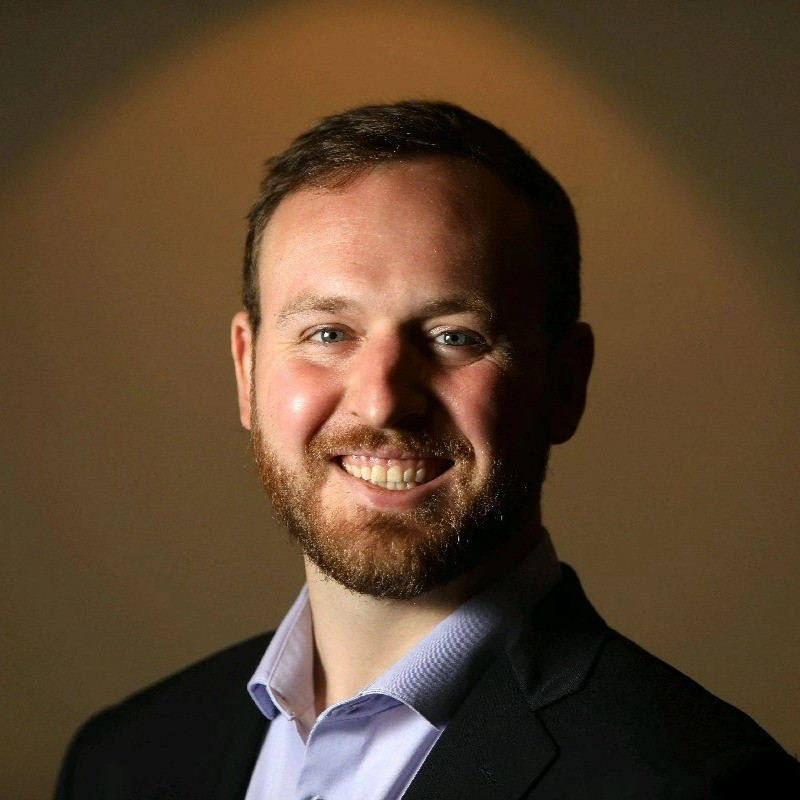
Alex Gilbert is the Vice President of Regulation at Zeno Power, spearheading regulatory strategies for commercial radioisotope power systems for space, maritime, and terrestrial applications. He is also a PhD candidate in Space Resources at the Colorado School of Mines, researching astronaut nuclear safety and space nuclear governance for applications on the Moon and Mars. Previously, Alex was at the Nuclear Innovation Alliance, pioneering regulatory modernization for advanced reactors at the Nuclear Regulatory Commission.
Dr. Robert C. O’Brien, Director, USRA’s Center for Space Nuclear Research
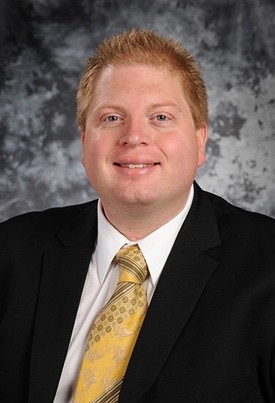
Dr. Robert C. O’Brien serves as USRA’s Director of the Center for Space Nuclear Research and is an adjunct Professor at the University of Idaho. Dr. O’Brien is a subject matter expert in advanced space power, propulsion and energy utilization technologies including nuclear systems testing, as well as in-situ resource utilization, material extraction, and manufacturing science and engineering. Prior to joining USRA, Dr. O’Brien led special reactor concept projects, advanced nuclear instrumentation, nuclear fuels, national and international projects, and initiatives at Idaho National Laboratory for NASA, the U.S. Department of Energy (DOE) and the Department of Defense.
Dr. O’Brien led the development of Advanced Manufacturing capabilities for DOE including first-of-a-kind capabilities to utilize electric Field Assisted Sintering Techniques (eFAST) and was responsible as architect of capabilities at INL’s Materials and Fuels Complex Advanced Fuels Facility for the first experiments and production of nuclear reactor fuels using 3D Printing techniques. As Principal Investigator under the DOE Transient Testing Program, Dr. O’Brien served as part of the TREAT Reactor Restart Project (2012-2018) and led some of the first modern experiments in TREAT as Principal Investigator of the NASA SIRIUS Testing campaign (testing Space Nuclear Propulsion Program fuels under hydrogen at temperatures up to 3000 K). Prior to his experience within the DOE laboratory system, Dr. O’Brien’s early career was as a researcher at the University of Leicester Space Research Center where he initiated assessments for a UK – European solution for radioisotope power, and the use of 241-Am as a heat source fuel; performing early americium oxide-cermet encapsulation experiments.
Dr. O’Brien holds a Masters of Physics with Space Science & Technology from the University of Leicester (2006), and a PhD in Physics Research from the University of Leicester (2010). He was nominated Fellow of the Royal Astronomical Society 2008. Dr. O’Brien holds multiple patents and patents pending in advanced nuclear fuel, Directed Energy, ceramic processing, ballistic materials, nuclear and non-nuclear feedstock processing.
Registration closes on Thursday, July 10th at 12:00pm/noon ET.
Registration Rates
| Individual Seat | $85 |
| Half Table (4 Seats) | $320 |
| Full Table (8 Seats) | $640 |
Thank You to Our Event Partner!

TICKET POLICY
Tickets are refundable up to 10 business days prior to the event date and are transferable at any time. Please contact info@wsbr.org with any changes to your registration.